
Hardwood vs Carpets
Hardwood is one of the oldest flooring materials there is, and it never goes out of style.

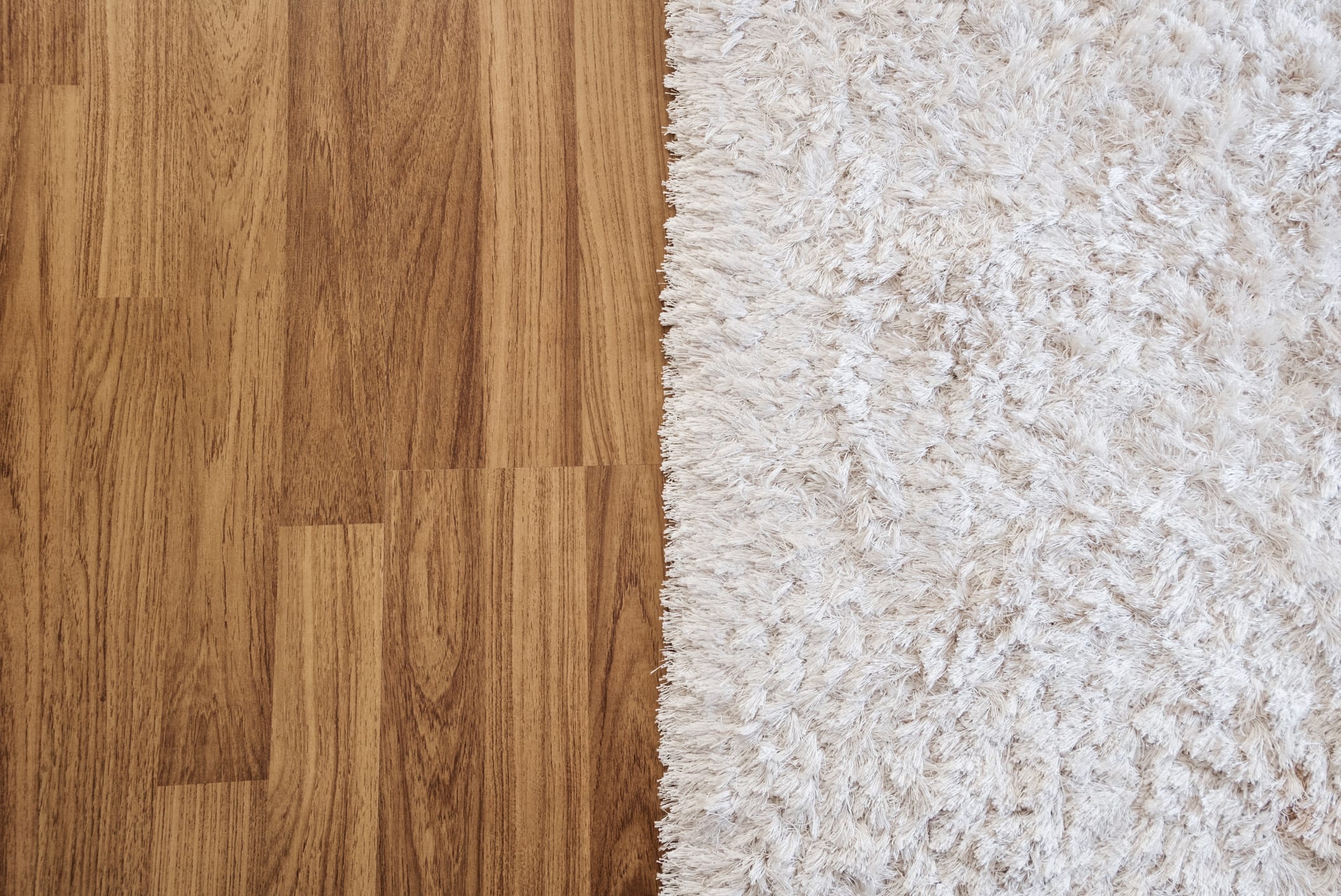
Hardwood vs Carpets
Hardwood is one of the oldest flooring materials there is, and it never goes out of style.
Hardwood floors or carpeting? Both types of flooring materials have distinct advantages and disadvantages. While different living and working environments certainly call for different materials, some features of carpeting and hardwoods are consistent across environments. Understanding how each performs in terms of comfort, maintenance, durability, health considerations, and long-term value can help you determine which option best fits your lifestyle and space.
Carpeting
Quiet and comfortable
One of carpeting’s essential attributes is its soft, insulating, buffering nature. It naturally absorbs sound. It also maintains heat, which can be quite essential in colder environments. It is also comfortable for people regularly on their feet for extended periods, and it proves priceless in the case of slips, trips and dropped items.
Carpet styles change frequently. Colors, textures, and pile heights tend to follow design trends, which means carpet may feel outdated sooner than other flooring types. As trends evolve, homeowners may choose to replace carpeting more often to maintain a current look.
Indoor Air Quality Considerations
New carpeting can be a health hazard. Modern manufacturing uses synthetic materials - what you smell in a newly carpeted room, or carpet shop – which can be hazardous. New carpets will leak for years, and new carpet installation also often uses chemicals which emit fumes. These too, may not be healthy, and may cause sinus or breathing problems for people exposed to them for extensive periods of time. Natural, more eco-friendly carpets do exist, but they drive costs up significantly.
Modern technology has also made it possible to instill some permanence in carpeting, in the form of anti-fade color fastness, near-perfect stain protection, and even fireproofing. Low-VOC and natural fiber carpet options are available, but they may increase overall cost. Choosing certified low-emission products can help minimize indoor air quality concerns.
Durability and Wear
On the other end of the spectrum, carpet imminently deteriorates, and the more traffic it sees, the worse the effect. Many carpets can look ragged in as little as five years.
Looped or woven carpets may snag in certain environments, especially in homes with pets. Repair options are limited compared to hard surface flooring, and replacement is sometimes necessary.
Cleaning and Maintenance
Carpets require regular intensive cleaning – daily, weekly, monthly and yearly, with extensive, expensive aids, chemicals and equipment. The bad news is that they tend to be a one-way street. Given enough time and traffic, they will always matte and become increasingly difficult to care for.
Even with regular care, particles of all sorts – dirt, dust, grime, grit and the like – sift and sink through the weave and pad and settle near the floor. Dampness from accidents, traffic and even carpet shampooing can actually increase the dampness, rot and growth of mildew and more. Moisture from spills or improper cleaning methods can lead to lingering odors or mildew if not addressed quickly. Professional deep cleaning may be recommended annually, depending on usage.
Allergies and Sensitivities
For individuals with allergies, carpets are a living nightmare. They’re a constant source of irritating dander, dust, fluff, fur, mildew, mold and pollen. Dust mites, especially, love carpet. While frequent vacuuming with HEPA filtration can help, carpet may require more diligence to maintain a low-allergen environment compared to hard surface floors.
Hardwood
Safe and clean
As mentioned above, hardwood doesn't hide harmful particulate matter, making for a healthier, safer living environment, especially for allergy sufferers. Dust and debris remain on the surface, making them easier to remove through regular sweeping or mopping.
Generally, hardwood floors cost more than carpeted floors, but they also require less maintenance, last longer and can be “repaired” (instead of replaced).
Especially in older homes, hardwood floors can be draftier and colder. But a well-selected area rug typically remedies this problem.
Low maintenance
Comparatively, hardwood floors require minimal maintenance – in terms of both effort and equipment. Consider, simply, the difference in price between a mop and vacuum. Hardwood floors are also much more resistant to spills and stains.
Hardwood floors do get scraped, scratched, scuffed, dented and damaged – especially in high traffic areas. However, wood flooring can most often simply be sanded, smoothed and refinished. It is rarely necessary to replace a wood floor. Routine sweeping and periodic deep cleaning help preserve the protective finish and maintain appearance.
Sustainability
Since wood is a naturally occurring resource, which can even be reforested, hardwood floors may also be a quality ecological choice. Faster growing types of wood flooring materials – such as bamboo (which is actually grass) make this an even more plausible reality.
If the environment is a factor in your decision, learn more about the sustainability benefits of hardwood floors and how responsibly sourced wood compares to other flooring options.
Beauty and Value
Perhaps the number one reason to consider a hardwood floor is for aesthetic reasons.
Hardwood is one of the oldest flooring materials there is, and it never goes out of style. Because of the large variety of trees and wood types, a world of colors, consistencies, designs, grains and patterns are available.
Many homebuyers view hardwood as a premium feature, and it often increases home resale value. Unlike carpet, which some buyers replace immediately, hardwood is generally considered a long-term asset.
Whereas many new homeowners will remove carpeting upon purchasing a house, viewing it as an additional expense, hardwood floors definitely increase the value of a house.
While hardwood floors may cost more initially, with proper maintenance, they can be a sound investment that pay off for a lifetime.
Ultimately, the right flooring choice depends on your lifestyle, budget, design preferences, and maintenance expectations. Weighing comfort against durability—and short-term cost against long-term value—will help guide you toward the best decision for your home.