
Hardwood Floor Types
The two types of wood flooring are called solid or engineered

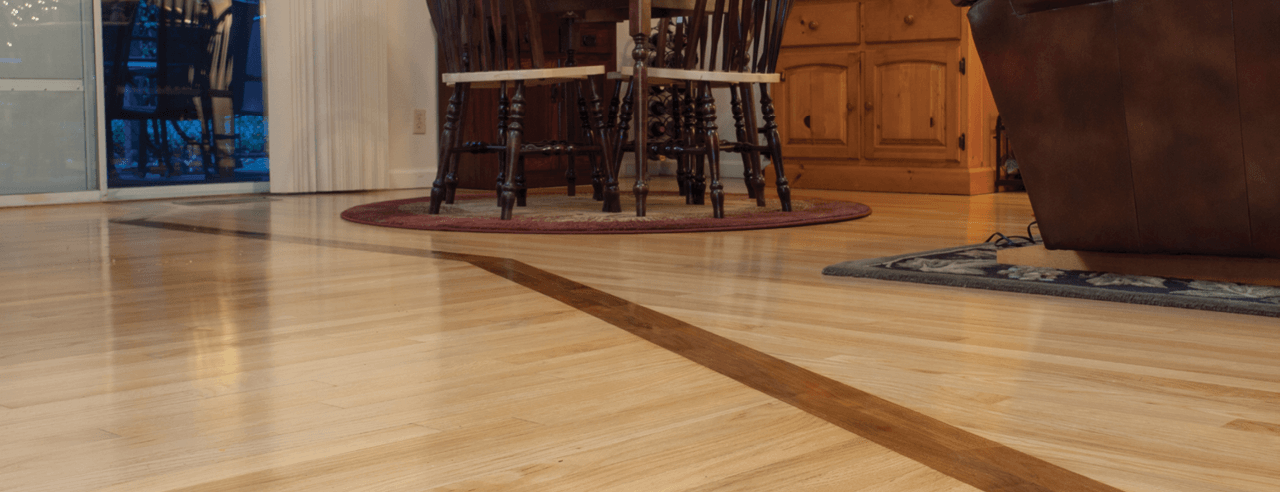
Hardwood Floor Types
The two types of wood flooring are called solid or engineered
The difference between solid and engineered hardwood flooring is a common question many consumers have when making the decision to beautify their living space with hardwood. While there are differences between solid and engineered flooring, the biggest factors in making the choice between the two will be your personal tastes and needs.
In addition to construction and cost, it’s also worth considering how your floor’s color and tone can affect your space. Choosing between light and dark wood floors can completely change the look, feel, and atmosphere of a room — from open and airy to warm and grounded. A new floor, whether solid or engineered, can also refresh and transform your space, giving it new life and energy.
Solid vs. engineered hardwood flooring: construction
A common misconception between solid and engineered flooring is that engineered flooring is “fake” and contains no wood. Both types of flooring contain hardwood. The difference is in how the planks are constructed.
Solid hardwood flooring.
Solid wood flooring is any type of hardwood (whether it is strip or plank flooring) that is cut entirely from one solid piece of wood.
Engineered hardwood flooring.
Engineered flooring consists of several different plies of wood glued together with the grains running in different directions. The surface can consist of either a very thin veneer or a thicker piece that can typically be sanded.
Laminated Wood Flooring.
Engineered flooring is often called laminated because of the multiple layers. However, laminate flooring is not actually real wood at all. It’s a photographic image of wood that is made to simulate real wood or stone and covered with a thick melamine layer. Always make sure you’re buying a real wood floor!
From a design perspective, both solid and engineered hardwood allow you to achieve different aesthetics — rustic, contemporary, or classic. Engineered wood, in particular, offers more flexibility for installation in basements or on concrete slabs, making it a popular option for remodels and room refreshes.
Solid vs. engineered hardwood flooring: characteristics
Because of the difference in construction, solid and engineered flooring will behave differently.
Knowing where you can use both types will help make choosing between the two much easier.
Solid Hardwood Flooring.
Solid wood flooring is more susceptible to moisture and temperature changes. In the colder, dryer months the wood may shrink, resulting with minor gaps between each board. These minor gaps will close back up in the spring and summer months when the wood expands. Due to the expansion and contraction of solid wood, it can only be installed at or above ground level. Controlling your year-round indoor humidity levels will minimize any movement. The most common type of solid hardwood flooring is ¾” thick and will allow most species to be fully sanded 5-7 times and much more with some of the denser exotic species. Once you've chosen your wood species, consider your finishing approach — here's what to know about prefinished vs. site-finished hardwood floors before making your final decision.
Engineered Hardwood Flooring.
The construction of engineered wood flooring allows for greater stability when it comes to changes in temperature and humidity. Having the grain going in different directions, on each layer, allows for the wood to somewhat counteract itself when it comes to expansion and contraction. Engineered flooring can be installed below, on or above ground level. To give yourself options for long=term maintenance, make sure the wear layer of your engineered floor is at least 3/16” thick, providing enough thickness for 1-2 full sandings if needed.
When planning a room refresh, engineered hardwood can be a smart choice because it performs well in a variety of environments. It allows homeowners to update spaces like basements, home offices, or kitchens with genuine wood — areas where solid wood might not be ideal.
Solid vs. engineered hardwood flooring: cost
Because of the differences between solid and engineered hardwood flooring, solid wood flooring is typically more expensive than engineered wood flooring. Both types look great when installed, and it is getting harder and harder for people to tell the difference.
Protect your investment. Buy a good quality flooring product, solid or engineered, and use a high-quality, recommended professional hardwood flooring contractor.
If you’re choosing new floors to refresh your home, engineered hardwood often provides a more affordable and faster-to-install option without sacrificing beauty. However, solid hardwood remains the best long-term investment if you plan to stay in your home for decades and want the ability to refinish multiple times.
Solid vs. engineered flooring: which should i choose?
The range of styles and looks for both solid and engineered hardwood flooring gives you many different options that will fit any budget. However, while cost is important, consider how each type of flooring will behave in your home. Here are some questions to consider when making your final choice:
Where will my floor be installed? The location of your floor will be a strong limiting factor in floor choice. Solid wood flooring can only be installed at or above grade. Anything below grade will require engineered flooring.
What installation type can I use? Your existing subflooring may have an impact in your choice. Engineered flooring is more versatile and can be installed over many existing wooden and concrete sub-floors. Solid wood flooring is typically nailed to a wooden subfloor.
How often can I update my floor? Solid wood flooring allows for multiple re-sands throughout its lifetime, giving you the opportunity to change the look of your floor by keeping it updated with current styles, trends, and colors. Engineered hardwood flooring has limited re-sanding options.
When deciding, also consider color and design goals. Light hardwood floors can make rooms feel larger, brighter, and more open — ideal for small spaces or home offices where light is limited. Dark hardwood floors add richness, depth, and contrast — perfect for cozy, classic, or dramatic aesthetics. In rooms like home offices, light floors can promote creativity and focus, while darker floors create a grounded, sophisticated tone.
If your goal is to refresh or modernize your space, flooring color and finish can play a huge role. Lighter tones can make older rooms feel new again, while darker stains can elevate a traditional design with a bold, polished look.
With the advances in flooring technology, the look of solid and engineered hardwood floors are almost identical. While some may prefer the “prestige” of solid wood flooring, the practical applications of each will lead you to a more informed choice. Whatever you choose, proper care and maintenance are required to keep your floors looking great for years to come.
No matter what your floors are made of, we have effective floor cleaning systems that help protect and beautify your investment. Find the floor cleaner that best suits your floor.
Before You Choose Hardwood Floors — Consider the Big Picture
In today’s flooring market, variety can be both a blessing and a curse. With so many different flooring types and options, it’s possible to have beautiful floors at just about any budget. But with so many options, choosing the one that’s right for you can seem like a difficult task. Luckily, with a few quick considerations, you’ll be able to narrow your choices down in no time.
Before you start designing your dream floors, think about these basic questions first:
⦁ Function. What rooms do you want done? Are they high-traffic areas? Will they get easily wet or dirty? These things will determine the kind of durability and maintenance style you’ll be dealing with on your floors.
⦁ Style. What colours and styles best describe you? Are you looking for floors to accentuate your current room, or are you thinking of redesigning and redecorating your entire space? The way you style and decorate your new floors will directly influence your budget.
⦁ Budget. Remember that buying the actual flooring is only part of your budget. Will you need to have floors installed, and the old flooring disposed of? Do you need extra supplies like adhesives, moisture barriers or baseboards? Will you be installing the floors yourself? Considering the complete costs of the flooring project will help to steer you into the best floor types for your needs.
Aside from wood flooring, other popular options are stone, tile, laminate and luxury vinyl. Each flooring type has pros and cons to be considered to find the best match for your particular situation.
How Hardwood Compares to Other Popular Flooring Types
Stone Flooring
Stone combines natural elegance with exceptional durability. Available in a wide range of textures and colors, it works especially well in high-traffic or moisture-prone areas such as kitchens, bathrooms, foyers, and laundry rooms.
Pros: Durable and long-lasting; retains heat; easy to clean.
Considerations: Can scratch or stain; more expensive; tile replacement can be challenging.
Tile Flooring
Tile offers incredible design flexibility, from bold patterns to styles that mimic wood or natural stone. It’s a strong choice for wet areas and spaces requiring easy maintenance.
Pros: Waterproof; low-maintenance; wide variety of styles.
Considerations: Intricate installation; can scratch or stain; often more expensive than laminate or vinyl.
Luxury Vinyl Flooring (LVF / LVT)
Luxury vinyl flooring offers realistic visuals that replicate natural wood or stone while providing excellent moisture resistance.
Pros: Waterproof; low maintenance; budget-friendly versatility.
Considerations: Can be cut or gouged; not biodegradable; lower resale value than hardwood.
Why Choose Hardwood?
Unfortunately, no flooring is 100% perfect. Every type has its own advantages and disadvantages. In choosing the right flooring type, figure out what qualities you absolutely need, and which ones are only 'wants'. Just knowing these things can help you to decide on a purchase that you're happy with.
Regardless of the flooring option, Bona has a system that will make it look beautiful. From our tried and trusted hardwood floor cleaners and mops to our stone, tile and laminate cleaners, you’ll find that Bona is the easy, trusted choice for fantastic floor care.