
Bona Recoating
This page helps you understand when each method is appropriate for wood and resilient floors, how they work, and how they fit into a broader floor lifecycle strategy.

Bona Recoating
This page helps you understand when each method is appropriate for wood and resilient floors, how they work, and how they fit into a broader floor lifecycle strategy.
Lacquered floors
Add a new layer of protection in a fraction of the time of a full renovation.

Step 1 - Preparation
Remove all furniture from the area to be treated. Use a Bona Dusting Pad or a vacuum cleaner to remove dust and debris from the floor.

Step 2 - Deep-cleaning
Degrease and clean the surface thoroughly using the Bona PowerScrubber (green brushes), with Bona DeepClean W diluted in the tank (with a ratio of 1:10). Make sure that there's no excess liquid on the floor, and let it dry.

Step 3 - Fine sanding
Abrade the surface with the Bona FlexiSand, using Bona Diamond Abrasives (grit 120 or 240). Attach the abrasives to a Quatto Disc, or a Multidisc with intermediate pads in between. Abrade corners and edges with a Bona SupraFlex. If the surface has any polish or wax on it, keep going until it's been removed. Vacuum-clean to remove loose sanding dust, or wipe it away with a Bona Dusting Pad.

Step 4 - Finish application
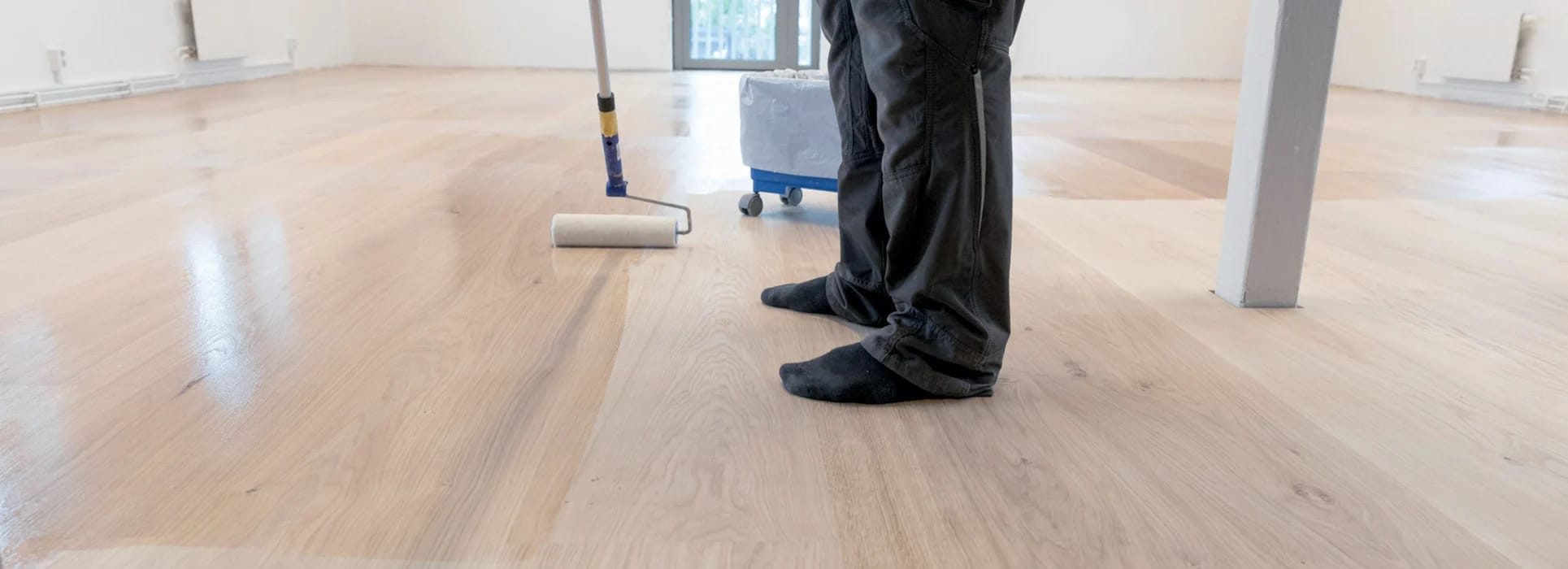
Apply a thin layer of Bona Traffic HD/Traffic to the floor using a stainless-steel trowel. Allow it to dry for about an hour. Then apply 1-2 more layers using a roller or T-bar (8-10 m2/lit). Allow it to dry completely before allowing traffic to resume.
Oiled floors
Make a dull oiled floor come alive again. Restore its glow, and prolong its life.

Step 1 - Preparation
Remove all furniture from the area to be treated. Use a Bona Dusting Pad or a vacuum cleaner to remove dust and debris from the floor.

Step 2 - Deep-cleaning
Degrease and clean the surface thoroughly using the Bona PowerScrubber (red brushes), with Bona DeepClean W diluted in the tank (with a ratio of 1:10). Make sure that there's no excess liquid on the floor, and let it dry.

Step 3 - Bona Oil Care application
Pour Bona Oil Care (40-60 m2/lit) onto the floor, and distribute it evenly, using the Bona FlexiSand with a Bona Wool Pad attached. Add more oil as required. Manually apply oil to edges and corners - and other areas that the FlexiSand can't reach. For the best results, buff the floor one last time, using a dry Bona Wool Pad. Allow 12 hours before allowing traffic to resume.
Hard-wax oiled floors
Restoring a floor’s beauty is now an overnight job.

Step 1 - Preparation
Remove furniture from the area, and use a Bona Dusting Pad or a vacuum cleaner to remove dust and debris.

Step 2 - Deep-cleaning
Degrease and clean the surface thoroughly using the Bona PowerScrubber (green brushes) with Bona DeepClean W diluted in the tank (1:10). Ensure that there's no excess liquid on the floor, and let it dry.

Step 3 - Fine sanding
Abrade the surface with the Bona FlexiSand, using Bona Diamond Abrasives (grit 120 or 240). Attach the abrasives to a Quatto Disc, or Multidisc with intermediate pads in between. Abrade corners and edges using a Bona SupraFlex. If the surface has polish or wax on it, abrade until it has been removed. Vacuum-clean to remove loose sanding dust, or wipe it away with a Bona Dusting Pad.

Step 4 - Hard-wax oil application
Using a Bona Microfibre Roller 5 mm, apply an even, thin coat of Bona Hard Wax Oil to the entire floor (20-24 m2/lit). Avoid accumulation of the product. Follow the direction of the grain where possible. Allow to dry for at least 12 hours before allowing traffic to resume.